

Drive-In Pallet Racking
Maximise your warehouse floor space with drive-in pallet racking, a high-density storage solution designed for bulk palletised goods. Unlike traditional pallet racking systems that rely on multiple aisles, drive-in racking allows forklifts to enter the rack structure itself. This significantly reduces aisle requirements and increases pallet storage density.
As a result, this system is particularly effective for warehouses handling large volumes of uniform stock, temperature-controlled environments, or seasonal inventory. From cold storage facilities in Melbourne and food distribution centres in Sydney to logistics hubs in Brisbane and Perth, drive-in pallet racking is widely used across Australia to improve space utilisation, workflow efficiency, and storage capacity.

What Is Drive-In Pallet Racking?
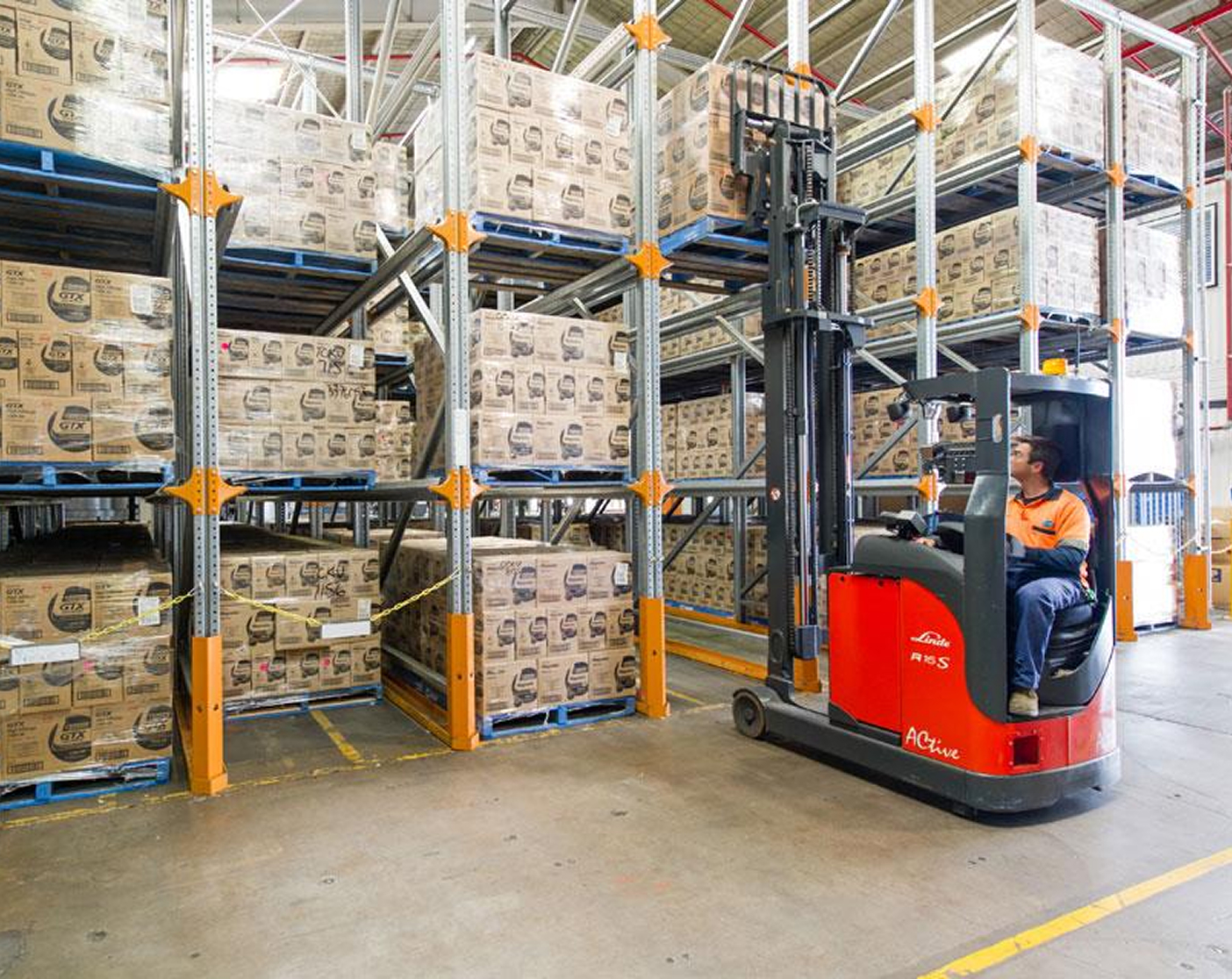
Drive-in pallet racking is a high-density warehouse storage system that stores pallets in continuous lanes rather than individual bays. Forklifts drive directly into the racking structure to load and retrieve pallets, which are supported by guide rails instead of traditional beams. This configuration supports a LIFO (Last In, First Out) inventory flow, where the most recently stored pallet is the first to be removed.
Because accessibility is reduced in favour of density, drive-in racking is best suited to bulk storage environments where stock rotation is less critical than maximising cubic space. It is commonly installed in freezer warehouses, cold rooms, manufacturing facilities, and distribution centres storing large quantities of the same SKU.
In many facilities, drive-in systems are used alongside other solutions from a broader pallet racking range to balance high-density storage with selective access where required.
Key Features & Operational Advantages
Designed for demanding warehouse environments, drive-in pallet racking combines structural strength with layout flexibility.
Heavy-duty steel uprights and hardened guide rails are engineered to withstand repeated forklift entry. Lane depth, bay height, and pallet clearances can be customised to suit forklift type, pallet weight, and ceiling height. In cold storage or corrosive environments, galvanised finishes or specialised coatings help extend system lifespan.
From an operational standpoint, these features translate into tangible benefits. Warehouses can store more pallets per square metre, reduce building footprint requirements, and lower energy costs in temperature-controlled facilities. Compared with selective pallet racking, which prioritises direct pallet access, drive-in systems are designed to maximise storage density and throughput for bulk goods.

Technical Specifications
Drive-in pallet racking systems can be engineered to suit a wide variety of warehouse layouts and operating conditions. Typical specifications include:
- Maximum system heights of up to 13.5 metres
- Pallet load capacities of up to 1,500 kg per position
- Lane depths ranging from 2 to 10 pallets, depending on stock turnover
- Operating temperature ranges from -25°C to +35°C, making them suitable for cold and freezer storage
- Single-entry drive-in or dual-entry drive-through configurations
Each system is made for the site, forklift clearances, and inventory profile. Layout optimisation and engineering input are often supported during the warehouse design phase to ensure safe operation and long-term efficiency.
Applications Across Australian Warehouses
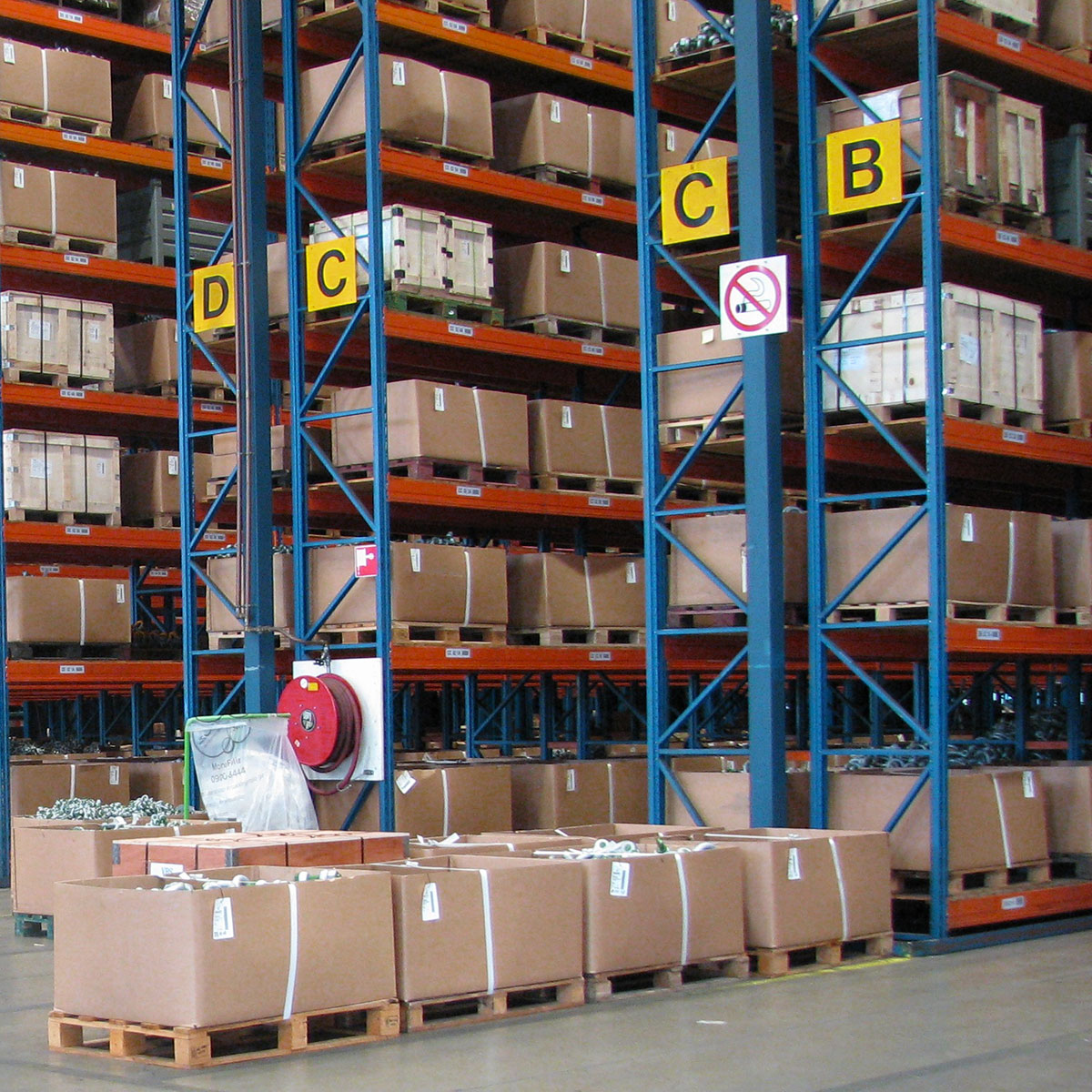
Drive-in pallet racking performs best in environments where space efficiency outweighs the need for frequent stock rotation. Cold storage facilities benefit from reduced aisle space, allowing more product to be stored while minimising refrigerated air volume. In high-volume distribution centres, continuous pallet lanes support faster loading and unloading of bulk goods.
Manufacturing sites often use drive-in racking to store raw materials or finished products produced in large batches. Seasonal inventory, such as retail stock or agricultural products, can also be stored efficiently during peak demand periods.
Across industries including food and beverage, pharmaceuticals, FMCG, and third-party logistics, drive-in pallet racking supports high-density storage without compromising structural integrity or safety.
Safety, Engineering & Compliance
Safety is a critical consideration in all high-density racking environments. Drive-in pallet racking systems are designed and installed in accordance with AS 4084:2012 Steel Storage Racking, which sets requirements for design, installation, and ongoing operation.
Additional safety measures such as column protectors, rack end barriers, floor guides, and load signage help reduce forklift impact damage. Ongoing racking safety inspections play an essential role in maintaining compliance, identifying wear or damage early, and protecting both personnel and stored goods.
A compliant, well-maintained system reduces operational risk, minimises downtime, and extends the service life of the racking.

Comparing Drive-In Racking With Other Systems
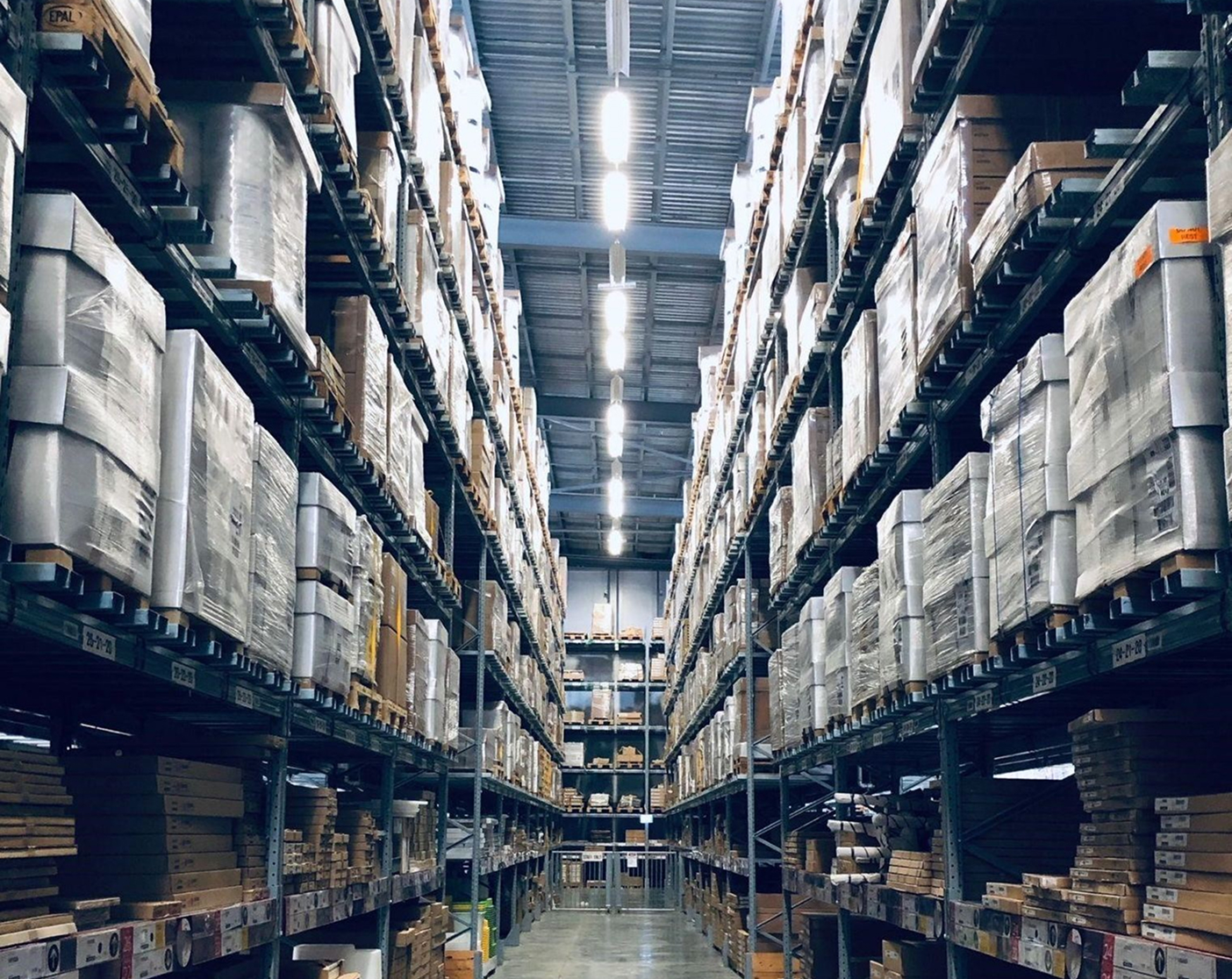
Selecting the right pallet racking solution depends on inventory profile, access requirements, and available warehouse space. Drive-in pallet racking is optimised for bulk storage, while other systems are better suited to different operational needs.
Selective racking provides direct access to every pallet and is ideal for warehouses handling a wide range of SKUs. For operations seeking higher density with limited selectivity, double deep pallet racking offers a practical alternative.
Push back pallet racking supports LIFO operation with improved access, while shuttle racking enables very high-density storage with reduced forklift entry. For long or oversized loads, cantilever pallet racking is typically more suitable than drive-in systems.
Understanding these differences ensures the chosen racking solution aligns with both current operations and future growth.
Experience You Can Rely On
With extensive experience supplying and installing pallet racking systems across Australian warehouses, drive-in solutions are designed with real-world operating conditions in mind. From layout planning and engineering through to installation and compliance support, our systems are configured to perform reliably in high-traffic, high-load environments.
This hands-on experience helps ensure every installation delivers not just storage density, but long-term safety and operational efficiency.

Take the Next Step
Drive-in pallet racking offers a proven way to maximise warehouse capacity, streamline bulk storage, and reduce operating costs. Whether expanding an existing facility or planning a new warehouse, a well-designed drive-in system can unlock significant space savings.
Give us a call on 0410 894 157 today to arrange a site evaluation or request a quote today to explore a solution made for your operational requirements.
While the racking itself is static, inventory locations and forklift movements can be tracked through compatible WMS platforms to improve stock visibility and control.
Lane depth depends on stock turnover and SKU volume. Fast-moving goods typically suit shallower lanes, while slow-moving bulk items can be stored in deeper lanes for higher density.
The system performs best with standardised pallets. However, guide rails and lane widths can be engineered to accommodate different pallet dimensions where required.
Routine visual checks, bolt tightening, and alignment inspections are recommended. Periodic professional inspections help identify impact damage or wear that could affect safety.
The modular design allows the system to be dismantled and reinstalled at a new site. Some components may require adjustment depending on the new layout and floor conditions.